-
 Open a world of possible, real stories about the joy and power of reading.
 -
 Charles Hatfield Baker III, one of the richest men in New York City, suddenly disappears. His daughter, Julia, wants to find him. The directors of his company want power and money. Do they know where he is? And what is Project Omega? Can Julia find her father and save his company?
 -
 Presents information, in a question and answer format, about the customs, habits, and habitats of people from different countries around the world with emphasis on what makes their cultures unique.
 -
 Understanding how the stock market works is essential in todays economy. This book offers readers straightforward explanations of the essentials, including the definition of stocks, how theyre bought and sold, how theyre priced, commissions, splits, and more.
 -
 Presents information on what a tsunami is, including major disasters, the relationship between volcanoes and earthquakes, and what early warning systems scientists are devloping.
 -
Sale!
 PROMOEl mero hecho de tener cierta cámara u objetivo no le va a convertir en un artista. Necesita darse un poco de tiempo para crecer como fotógrafo y hacer miles y miles de fotografías. ¡Libérese del modo automático! Este libro no está hecho para aquellos que deseen usar el modo programa o los modos de escena de sus cámaras, sino para quienes quieran tomar realmente el control de su equipo y crear imágenes merecedoras de su pasión y creatividad. Esta guía imprescindible del galardonado fotógrafo Andrew Darlow está dividida en 50 técnicas con cuatro secciones principales: dominar su DSLR, comprar con cabeza, dominar el estudio y disparar en exteriores. Ofrece sugerencias específicas para hacer fotos, encontrar el equipo adecuado y usar enfoques tradicionales y no tradicionales para mejorar su fotografía. Está dirigida a todos los usuarios de cámaras con capacidad de ajustar manualmente la exposición, la apertura, el ISO y funciones similares. Ilustrada con más de 250 fotografías, esta obra cuenta todos los consejos técnicos que le enseñarán a: · Crear retratos espontáneos y formales · Realizar fotografías de animales con calidad profesional · Fotografiar espectaculares paisajes urbanos nocturnos · Obtener fantásticas imágenes de fuegos artificiales · Capturar y transmitir el movimiento en sus fotografías · Conseguir suculentas imágenes gastronómicas · Lograr fotografías nítidas y sin reflejos a través del cristal
 -
Sale!
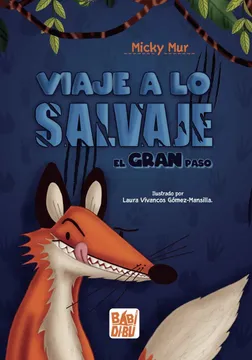
 PROMOHabía una vez una selva en la que todos sus habitantes tenían la piel a manchas. Sus vidas eran muy felices, excepto por una cosa: tenían mucho miedo a los animales a rayas que vivían en la selva del otro lado del río.Pero un día, Leopardo sale a explorar... UN CUENTO A MANCHAS Y A RAYAS PARA APRENDER A RESPETAR LA DIFERENCIA
 -
Sale!
 PROMOUn cuento para aprender Mindfulness y descubrir el secreto de la MEDITACIÓN Y EL DEJAR IR Después del terremoto que destrozó Nepal, Luca, un bombero italiano, decide adoptar a Samir, un niño de seis años que ha perdido a toda su familia.Cuando vuelve con él a Roma, Samir tiene problemas para adaptarse al colegio y Luca decide volver a Nepal en vacaciones para pedir consejo a un monje que le conoce bien. Aruna enseñará a Samir a manejar sus emociones y a controlar sus pensamientos a través de su cometa. ¿Quieres aprenderlo tú también?
 -
Sale!
 PROMOEste libro constituye una herramienta para acercarse a la violencia de género, cualquiera que sea el punto de partida. Se aborda desde campos muy distintos del saber, para que cada uno arroje un poco de luz y se pueda obtener una visión de conjunto, una perspectiva global que nos explique esta aparente sinrazón, que nos saque de la mirada fragmentada que impide ver. Trata sobre la violencia de género, sus causas y efectos, el problema de salud que representa, la intervención psicológica, la asistencia social, la prevención de la violencia masculina hacia las mujeres a través de la educación, el papel de las Fuerzas y Cuerpos de Seguridad y la legislación para combatirla.Esta violencia no sólo afecta a las mujeres, son muchos los y las menores que la sufren. Por eso se les dedica una atención especial en este libro que concluye con un estudio sobre el interés superior del menor. La violencia de género afecta a las mujeres, a sus hijas e hijos, a los familiares, a las amistades. Afecta a toda la sociedad. Son muchas las vidas destrozadas. Tenemos la obligación moral de implicarnos, de adoptar modelos de masculinidad y femineidad que potencien un desarrollo integral de la persona, quefomenten relaciones basadas en el respeto, en la libertad y en la igualdad.
 -
Sale!
 PROMOEs real la preocupación social por la convivencia dentro del ámbito de la escuela, la presencia de conductas violentas que dañan el clima escolar o, incluso la formación de grupos o «tribus urbanas» violentas cuyas conductas deben ser entendidas y tratadas según sus peculiares características. Aunque la alarma social que generan algunos casos de violencia extrema, ejercida por menores, no se corresponde con la realidad de los hechos conflictivos ocurridos en el ámbito escolar, es razonable estar preocupados porque la educación sólo es posible en un marco de convivencia en el que se desarrollen positivamente las relaciones entre alumnos y entre profesores y alumnos.
 -

Este libro de carácter divulgador y explicativo, se estructura en dos partes bien diferenciadas. La primera parte de este libro presenta la vida y obra de Albert Einstein, sus creencias, sus temores, su familia, sus amigos, sus enemigos, etc. Una vida repleta de acontecimientos buenos y malos. En la segunda parte se centra en su teoría de la relatividad para hacerla comprensible a cualquier lector. No es fácil explicar la teoría de la relatividad de Albert Einstein. Quizás el símil más apropiado es el siguiente: Cuando dos enamorados están juntos, una hora les parece un minuto. Si nos sentamos sobre una estufa, un minuto nos parece una eternidad. Quién no conoce la famosa fórmula E = m x C². Donde E es energía, m es la masa y C es la velocidad de la luz en el vacío. Casi todo el mundo conoce esta fórmula aunque no sepa lo que significa. Básicamente nos viene a decir que masa y energía son dos formas diferentes de una misma cosa. Es un libro sencillo, fácil de leer, ameno y que seguro ayudará a comprender una de las teorías más conocidas pero a su vez ajenas a la mayoría de las personas sin conocimientos en esta parcela.
-
Sale!
 PROMOAmigos es la historia de Óliver, un niño solitario que encuentra la más bonita amistad cuando menos se lo espera. Se trata de un perrito que se encuentra y al que lleva a vivir a su casa. Pero su nuevo amigo un día comienza a crecer mucho mucho. Pertenecen a mundos distintos y…
 -

Una historia divertida e irreverente que nos muestra la importancia de superar nuestros miedos, y nos enseña a dejar a un lado los prejuicios y las falsas apariencias. Mr. Muffin lo ha probado todo para librarse del mal olor que le persigue, desde bañarse con agua hirviendo hasta sumergir la cabeza en un cubo de perfume. Sin embargo, el pobre parece atraer la porquería como un aspirador humano, así que lleva una vida solitaria llena de jabón y aburrimiento. O al menos así es hasta que un buen día se presenta en su puerta Emma, una niña misteriosa que asegura ser su sobrina y que pretende ayudarle a librarse de su apestoso aroma... y de su miedo a vivir la vida.
-
Sale!
 PROMOAutoCAD ha sido siempre el programa CAD más utilizado por los técnicos dedicados al diseño asistido. Si bien con los años han aparecido otras aplicaciones verticales como Architecture y Map, no dejan de ser programas cuya tecnología está basada en AutoCAD.
 -
Sale!
 PROMOAutoCAD es el programa estándar de diseño asistido por ordenador, en el convergen ingenieros, arquitectos, y diseñadores. Este libro es una magnifica herramienta para afrontar con éxito el estudio de AutoCAD 2013. Aquí se describen los conceptos básicos respaldados con útiles ejemplos, consejos y trucos.
 -
Sale!
 PROMOA Bepo le han dicho que tener hermanitos es un rollo...Por esto cuando sus padres le dicen que va a tener un hermanito, Bepo no se pone contento. Poco a poco, Bepo va descubriendo las ventajas y desventajas de tener hermanitos, hasta que finalmente decide que...
 -
Sale!
 PROMOAl igual que los más de dos millones de organismos conocidos, eres un ser vivo y compartes con los demás seres algunas cosas que conoces bien y son de gran interés para la biología, por ejemplo, sabes que estás creciendo, que tomas energía de tu entorno para realizar tus funciones vitales y que estás compuesto por diferentes partes, como nervios, piel y músculos. En este libro aprenderás que, a pesar de las diferencias de tamaños, colores y formas, los seres vivos comparten muchas cosas en común. Conocerás los últimos avances de la biología y sus aplicaciones en la vida cotidiana, además de que somos parte de una compleja y delicada red de interacciones de alcance global, lo cual implica una gran responsabilidad en cuanto al cuidado de los seres vivos y del medio ambiente. En este sentido, Biología, Sistemas vivos, de Raymond F. Oram, cubre todas estas expectativas a la par que será un instrumento indispensable para tener éxito en tus estudios de bachillerato y preuniversitarios.
 -
Sale!
 PROMOEsta obra intenta abordar los mitos y leyendas sobre los transgénicos y aportar argumentos con rigor científico. Se trata de un manual de supervivencia para entender qué son y que no son los transgénicos. Con voluntad divulgadora y sin dejar de banda el rigor que el tema se merece, el autor ofrece al lector todos los elementos necesarios porque pueda extraer conclusiones propias. Aquesta obra intenta abordar els mites i llegendes sobre els transgènics i aportar arguments amb rigor científic. Es tracta d'un manual de supervivència per a entendre què són i què no són els transgènics. Amb voluntat divulgadora i sense deixar de banda el rigor que el tema es mereix, l'autor ofereix al lector tots els elements necessaris perquè puga extraure conclusions pròpies. Con este trabajo, el autor ha querido mostrar la importante distorsión que hay sobre los cultivos transgénicos entre aquello que dice la comunidad científica, avalado por datos, y aquello que opina la sociedad en general, donde se ha impuesto una imagen completamente contraria.
 -
Sale!
 PROMOPaola es una niña china adoptada que vive en un pueblo con sus padres y una hermana mayor. Está deseando que llegue el verano para ver a sus primos, sobre todo a Jorge, pues le gusta mucho estar con él y compartir sus secretos. Durante esos meses ocurren cosas muy especiales que les hacen estar más unidos que nunca, aunque los dos saben que al final del verano se tendrán que separar. Este es un cuento sobre la VERGÜENZA.A PARTIR DE 6 AÑOS
 -
Sale!
 PROMOCanción del pirata habla de un pirata que vive al margen de la sociedad y que desprecia los bienes materiales. El pirata está interesado solo por la libertad. Es un poema con mucha fuerza, rima fácil, y un estribillo mágico.
 -
Sale!
 PROMOMisioneros de la Consolata
 -
Sale!
 PROMOActualmente el tema del Impuesto al Valor Agregado ha tomado mucha relevancia debido a la modificación realizada por la Ley 1943 de 2018, la cual se explica en el presente texto de manera clara y sencilla para las personas interesadas en conocer la influencia del impuesto en los aspectos cotidianos de sus finanzas personales y empresariales. En la cartilla se desarrollan los elementos del impuesto como el Hecho generador, la Causación, responsabilidad, tarifas, régimen, clasificación de los bienes y servicios, Base gravable; además del Impuesto Nacional al Consumo, la factura electrónica y todo lo relacionado con el proceso de Devoluciones de los saldos a favor. El libro está estructurado en secciones claramente numeradas y contiene la legislación colombiana vigente relacionada con el tema, sirve como valiosa fuente de consulta para contadores, gerentes y empresarios, emprendedores responsables de manejar y administrar el Impuesto al Valor Agregado, el Impuesto Nacional al Consumo y la obligación de implementar y expedir la factura por medios electrónicos.
 -
Sale!
 PROMOCATIA es el software líder en todo el mundo para la experiencia y el diseño de productos. Esta potente herramienta de ingeniería, fabricación y diseño CAD en 3D, cuenta con más de 150 aplicaciones que ofrecen soluciones variadas a las principales organizaciones de distintos sectores: herramientas para programación de mecanizado, análisis FEM, módulos eléctricos, de tuberías, soldadura, simulación cinemática, estructuras, materiales compuestos, etc.
 -
Sale!
 PROMOCinco Formas es una obra de consulta fundamental que profundiza en el enfoque que ofrecen la medicina convencional, así como las terapias alternativas (la homeopatía, los tratamientos con hierbas, la Medicina Tradicional China y la medicina natural), para tratar los problemas de salud más comunes. En sus páginas encontrará respuestas, consejos y sencillas soluciones para mantener la salud de toda su familia.
 -
Sale!
 PROMO¿Sabías que hace muchos, muchísimos años, siglos, existieron ciudades que prácticamente han desaparecido? De algunas, nos quedan las ruinas que los arqueólogos han ido desenterrando y de otras, no nos queda nada. Son ciudades que fueron muy importantes en su momento, porque eran grandes centros comerciales, culturales, lugares estratégicos... Muchas veces lo que conocemos de ellas es una mezcla de realidad y mito, o leyenda.
 -
Sale!
 PROMOEn este libro, tan bello e interesante como útil y fácil, Mariana Espinosa de Silva —esposa del anterior emba- jador de Colombia ante la Casa Blanca, Gabriel Silva Luján—, comparte muchas de las preparaciones ofrecidas a los invitados a la sede diplomática en los dos años que vivió en Washington, durante los cuales se realizaron las exitosas gestiones para la aprobación del tLC entre los dos países. Pero no son solo las recetas, la presentación, a cargo del propio embajador Silva, así como todos los textos de la autora, nos cuentan gratas historias paralelas al tratado y nos asoman a los círculos diplomáticos y culturales de la capital.
 -
Sale!
 PROMO¿Qué hacer si te quedas atrapado en un BUCLE ANTITECNOLOGÍA? Cuando los padres de Louis llegan a la conclusión de que pasa demasiado tiempo pegado a todo tipo de pantallas, se les ocurre la PEOR SOLUCIÓN de todas: PROHIBIRLE el ordenador, la tablet ¡y hasta el móvil! Louis necesita un PLAN para volver a usarlos, y seguro que Maddy, su mejor amiga,acude al RESCATE. ¡LLEGA LA DIVERTIDA CONTINUACIÓN DE «MIS PADRES ME VUELVEN LOCO!».
 -
 ¿Cómo ser genial con valores y emociones? Muy sencillo: ¡leyendo este libro! En él, los niños van a encontrar 10 emociones y 10 valores presentados a travésde pequeños poemas sencillos y divertidos. Cada poema va acompañado de una ilustración tan tierna como desenfadada y de la cita de un personajefamoso, que hará las delicias de los pequeños lectores. Un libro para disfrutar, pensar y emocionarse.
 -
Sale!
 PROMODavid es un chaval de lo más normal. Su hermana Angy es la estrella de la casa, pero todo cambia cuando compiten por subir un vídeo a Internet... y el de David se convierte en un fenómeno mundial. Para que quede claro: lo del gato fue un A-C-C-I-D-E-N-T-E, ¡en serio! ¿Imaginas que te conviertes en el youtuber más famoso POR ERROR? Una historia para partirse de risa.
 -
Sale!
 PROMOThis book is about testamentary formalities, that is to say, about the requirements which the law of succession imposes in order for a person to make a will. How are wills made? What precisely are the rules — as to the signature of the testator, the use of witnesses, the need for a notary public or lawyer, and so on? Is there is a choice of will-type and, if so, which type is used most often and what are the advantages and disadvantages of each? How common is will-making or do most people die intestate? What happens if formalities are not observed? How can requirements of form be explained and justified? What is the legal history of wills, the state of the law today, and the prospects for the future? Is this a fruitful topic for comparative law? The book explores these questions through a representative sample of countries in Europe as well as in the USA, Latin America, South Africa, Australia, and New Zealand. A final chapter draws the threads together and offers an overall assessment of the development of wills and will-making in Europe and beyond.
 -
 Los continuos cambios que se están desarrollando en las sociedades actuales, así como los cambios físicos y mentales que los jóvenes experimentan a medida que se hacen adultos, han obligado a profundos estudios sobre todos estos temas para informar y educar tanto a padres como hijos para un correcta comprensión de todo ello.
 -
 Etrasa presenta el libro “Conducción y Seguridad Vial de Vehículos Adaptados”, escrito por Juan F. Dols Ruiz. Con un marcado carácter divulgativo, trata de acercar el conocimiento sobre el mundo de los vehículos adaptados a todo el colectivo de personas con discapacidad y a los técnicos involucrados en el proceso. Este texto es el primero que se publica en nuestro país en este ámbito.
 -
 Los continuos cambios que se están desarrollando en las sociedades actuales, así como los cambios físicos y mentales que los jóvenes experimentan a medida que se hacen adultos, han obligado a profundos estudios sobre todos estos temas para informar y educar tanto a padres como hijos para un correcta comprensión de todo ello.
 -
Sale!
 PROMOEl objetivo de la obra es facilitar la aproximación al estudio de las principales categorías conceptuales e institucionales del Derecho del Consumo y ello, principalmente, desde el punto de vista jurídico-privado. A este efecto se han sistematizado y analizado los derechos básicos de los consumidores y usuarios en el Ordenamiento jurídico español. Los autores parten de la legislación general reguladora de la defensa de los consumidores y usuarios, y principalmente de la Ley 26/1984, de 19 de julio sin olvidar, claro está, las distintas Leyes autonómicas promulgadas con el mismo objetivo que la norma estatal, ni tampoco obviar las propuestas de modificación de la misma a fin de continuar avanzando en la realización práctica de los referidos derechos. Asimismo, reviste especial interés la referencia que se realiza a la legislación sectorial: contratos bancarios, contrato de seguro, contratos celebrados a distancia, contratos celebrados fuera de establecimiento, crédito al consumo, multipropiedad, viajes combinados o vivienda, entre otros, presentando de este modo la obra una visión en conjunto de los derechos de los consumidores y usuarios. El objetivo de ser un trabajo fundamental a la vez que pedagógico se ve plasmado además en la existencia al final de cada uno de los capítulos de un apartado recordatorio de las principales ideas que se han pretendido transmitir a lo largo del mismo, así como de otro apartado en el que se plantean distintas cuestiones acerca de la materia expuesta que posibiliten la profundización y reflexión de los conceptos recogidos en el capítulo correspondiente. Cada uno de los diez capítulos concluye con una relación de bibliografía básica. Dirigido a: Oficinas Municipales de Información al Consumidor (OMICs), Asociaciones de Consumidores y Usuarios, Cámaras de Comercio, Universidades y Escuelas de Negocios con módulos de Consumo, fundamentalmente. Autores: Juan Miguel Echaide es Licenciado. en Derecho y Rafael Lara es Doctor en Derecho, Profesor Titular de la Universidad de Navarra y Presidente de la Junta Arbitral de Consumo de Navarra.
 -
Sale!
 PROMOEste manual ha sido redactado con una metodología eminentemente práctica, por cuanto está pensado para todas aquellas personas, estudiantes y profesionales del comercio exterior que necesiten tener un enfoque claro y preciso sobre los aspectos más relevantes que intervienen en la contratación internacional.
 -
Sale!
 PROMOSe trata en este manual de la Investigación de lesiones físicas, el robo y hurto de automotores, las investigaciones de seguros de vida, así como las Investigaciones de choques en accidentología vial y de casos especiales.
 -
Sale!
 PROMOCrónicas de un Calzador de Mesas es una novela (autobio)gráfica que narra las peripecias de un dibujante de tebeos, ser casero y ermitaño, que se ve proyectado fuera de su hábitat para vivir en el extranjero durante algún tiempo. En este volumen se recoger dos partes: la primera, situada en Florencia, y la segunda en Filadelfia (EEUU).
 -
Sale!
 PROMOUn álbum sobre el primer amor. Jaime cree que las sirenas existen porque ha escuchado hablar de ellas en el cole donde le contaron la historia de un tal Ulises. . . Sus padres, preocupados, lo mandan unos días a casa de los abuelos, cerca del mar. Allí conoce a una niña, que tiene la voz tan dulce como la de una sirena.
 -
Sale!
 PROMONo es infrecuente leer una frase, que el uso o abuso ha convertido en tópica sin que por ello deje de ser cierta: la que alude a los libros sin edad, como un lugar sin límites. Este libro también es uno de ellos. Digamos que puede alegrar la mente y el corazón, de siete a setenta veces siete. El lector se divertirá con la técnica lingüística, las escenas ingeniosas, las frases imprevisibles, el surrealismo de algunas situaciones..., hasta que de pronto, en una sola frase final que puede estar repleta de ternura, pero también de ironía y mordacidad, el cuento queda vuelto del revés, y obliga a pensar en otra lectura nunca imaginada.Este libro ha obtenido el Premio al mejor libro juvenil de Suiza y el Premio de literatura infantil y juvenil alemana en 1996
 -
Sale!
 PROMOQuepi, Udai y su abuelo Acasi son una familia singular del planeta Dot, en la Galaxia Oma. Sobreviven precariamente en un planeta cuya belleza es sinónimo de habitabilidad y supervivencia. Quepi es una niña dotada de un don muy peculiar que le permite comunicarse con la naturaleza, por esta razón su abuelo le obliga a cumplir Tres Normas Inquebrantables para mantenerse a salvo.
 -
Sale!
 PROMOAunque la ciencia abarca muchas disciplinas conceptualmente puras, como pueden ser las matemáticas, la física, la química o la biología, en nuestro día a día nos encontramos multitud de situaciones, objetos y escenarios cargados de ciencia por los cuatro costados, aunque no la veamos. Este libro aborda, con una mirada interdisciplinar, la adquisición de un conocimiento científico aplicado a lo cotidiano.
 -
Sale!
 PROMOCaín ha pasado a la historia como autor de una de las preguntas más conocidas: «¿Acaso soy yo responsable de mi hermano?». Una pregunta a la que muchas personas recurren cuando se les pone frente a los sueños y oportunidades destrozadas a causa de su egoísmo. Ahora que ya reconocemos y nos preocupamos por el abuso y destrucción que hemos generado a nuestra casa común, es el momento de plantearnos qué tipo de hogar natural queremos conservar para nuestros hijos: ¿Respondemos como Caín y nos desentendemos de lo que le ocurra a nuestros semejantes?, o ¿estamos de verdad comprometidos en cuidar de nuestra casa con todos nuestros sentidos y asumiendo toda clase de esfuerzos?.
 -
Sale!
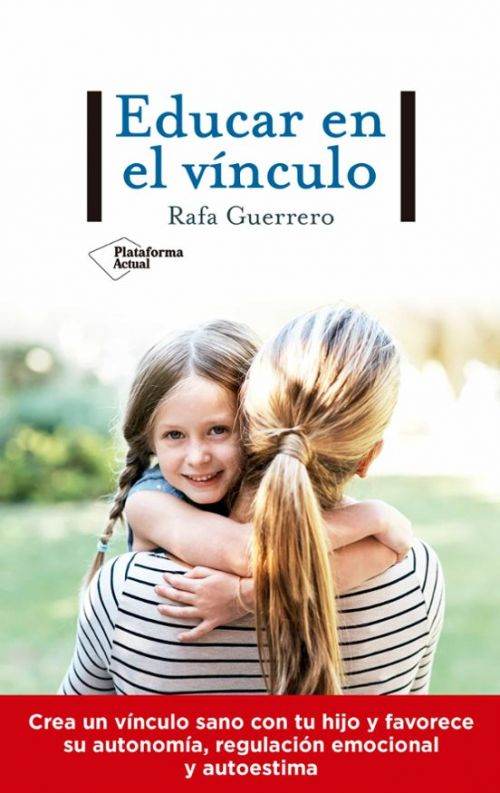
 PROMOUn libro con el que descubrirás catorce tópicos que utilizamos habitualmente con los hijos y que sin embargo, se pueden sustituir fácilmente por otras frases más beneficiosas y respetuosas con ellos.
 -
 Dani no quiere dormir. ¿Quieres saber por qué? ¿Quizá le asusta algo? ¿Encontrará alguna solución para irse a dormir? ¿A ti también te pasa? Con Dani seguro que encontrarás ideas y trucos para ir a dormir mejor.Es probable que en algún momento surjan obstáculos cuando vamos a acostar a los niños. Por un lado, su negativa a acostarse (íes tan divertido estar jugando o con los papás!) y, por otro, los miedos a la noche, la oscuridad, las sombras, etc. Como adultos, debemos saber cómo solucionarlo.
 -
 Dani quiere hacer lo que le apetece, comer lo que quiere y no hace caso a los adultos. ¿Alguna vez te has portado mal? ¿Quieres aprender cuáles son las normas más importantes para portarse bien?
 -
 Dani ha descubierto que los mayores no llevan pañal y tiene muchas dudas. ¿Dónde va la caca? ¿Quieres ayudarle a investigar? ¿Conseguirá dejar el pañal? Y tú, ¿quieres dejar de usar pañal? La retirada del pañal es un hito evolutivo muy importante que requiere una madurez cerebral adecuada para lograr el éxito. Por este motivo, debemos estar atentos a las señales que se producen cuando el niño o niña está preparado para dar el paso.
 -
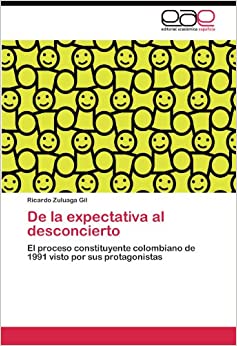 El presente escrito es producto del proyecto de investigación La Constitución de 1991 a quince años de su expedición. Análisis de su origen, desarrollo e impacto en la transición hacia una verdadera democracia, que fue financiado por la Pontificia Universidad Javeriana Cali, se desarrolló a partir de julio de 2006. La finalidad central del proyecto era indagar, a través de los testimonios de los constituyentes –los protagonistas principales–, por las circunstancias que rodearon el proceso de expedición de la Constitución que fue promulgada ese año. De esto se desprende que la principal fuente de información en el curso de la investigación, hayan sido entrevistas en profundidad a un número significativo de delegatarios, que a modo de ver de quienes llevamos a cabo el proceso, presentan visiones que son comprensivas de un panorama muy amplio dentro del espectro ideológico que se hizo presente en el escenario constituyente. Los diálogos se llevaron a cabo a lo largo del segundo semestre del año 2006 por un equipo de tres investigadores.
 -
 Los continuos cambios que se están desarrollando en las sociedades actuales, así como los cambios físicos y mentales que los jóvenes experimentan a medida que se hacen adultos, han obligado a profundos estudios sobre todos estos temas para informar y educar tanto a padres como hijos para un correcta comprensión de todo ello.
 -
Sale!
 PROMOLos últimos días de Catrina están siendo una auténtica pesadilla, últimamente le ha dado por sacarse mocos a todas horas: en clase, en casa, en la calle... ¡y no sabe cómo detenerlo! Incapaz de controlar su mocoadicción, Catrina investigará hasta descubrir qué la está llevando a ser una auténtica máquina de extraer fluido verde de sus fosas nasales. Acompaña a Catrina, Nico, Braulio, Fétida y Pasotín en una alocada aventura en la que la risa, la amistad y la emoción son los personajes principales.
 -

Tras una dura enfermedad y la pérdida de su hermana en un accidente de tráfico, Rodrigo se instala en el viejo chalé familiar junto al mar. Allí, este veterano periodista comienza un viaje a través de sus recuerdos y pensamientos de la adolescencia.
-
 Trabajo de investigación jurídica que va más allá de la presentación ordenada de datos y de la interpretación de las correspondientes reglas, pues aporta una reflexión profunda sobre las relaciones entre democracia y derechos humanos en dos sistemas internacionales de protección de estos derechos tan distintos como son el europeo y el norteamericano. Este trabajo de investigación jurídica que, yendo más allá de la presentación ordenada de datos y de la interpretación de las correspondientes reglas, implica una reflexión profunda sobre una parcela de la realidad social como objeto de estudio: las relaciones entre democracia y derechos humanos en dos sistemas internacionales de protección de estos derechos.
 -
Sale!
 PROMOMás de 30.000 voces y expresiones extraídas de la terminología jurídica actual, tanto de la lengua inglesa como española, y seleccionadas por prestigiosos profesionales de las principales áreas del Derecho: Civil, Laboral, Internacional, Penal, Constitucional, etc. – Un extenso repertorio terminológico que permite traducir del español al inglés, o viceversa, cualquier texto o documento legal. – Una útil selección de voces de otros ámbitos profesionales estrechamente relacionados con el Derecho, como, por ejemplo, el político, económico y sociológico. –Más de un centenar de notas de uso práctico, que facilitan la correcta e inequívoca interpretación, redacción o traducción de un documento legal, ya sea del español al inglés o del inglés al español. –Incluye un CD-ROM en el que los usuarios podrán consultar íntegramente el texto del diccionario.
 -
Sale!
 PROMOEl Diccionario Jurídico Espasa ofrece al público interesado en el conocimiento del Derecho el desarrollo completo y actual de los principales términos del Derecho Administrativo Canónico Civil Comunitario Constitucional Laboral Marítimo Mercantil Militar Penal Procesal Urbanístico así como la Filosofía del Derecho.Redactado por los mejores especialistas en casa materi aúna el rigos la claridad y la sencillez.Más de 2.600 voces firmadas por sus autores con adscripción de la especialidad a la que pertenecen y una bibliografía seleccionada cuando el término lo requiera.La obra se completa con un índice temático que permite al lector localizar todas las voces que se desarrollan en el diccionario de cada una de las materias
 -
Sale!
 PROMODiccionario inglés/español, español/inglés. Instrumento de consulta rápida y manejable en el que se han incorporado voces de uso común, de la lengua literaria y culta, y de la lengua de la calle. Se incluyen diferencias entre el inglés británico y el de Estados Unidos, además de que se distingue entre sustantivos contables e incontables, lo que es de utilidad para el uso correcto del singular y el plural.
 -
Sale!
 PROMOUn recorrido esencial para reconocer la imagen de Dios y la relación con él en el cristianismo latinoamericano. El autor se reafirma en el Dios único que no "podemos dar por su- puesto" y que lo demás son proyecciones nuestras. Bucea en la historia de ese Dios en América Latina y va dibujando los rostros de Dios: el Dios del Evangelio, Dios imperial, el de la disciplina y el culto. Y después el de la restauración de la cristiandad, en su doble faceta dogmatica y de espiritualidad. Trigo repara en el Dios de la humanidad que propuso el Concilio y fue recibido por Medellín; "no el que actuó en el pasado y fijó normas y pautas inmutables, sino el que actúa en nuestra historia propiciando condiciones humanas de vida y que se convierte en el Liberador para superar lo que dificulta ese proceso humanizador"
 -
Sale!
 PROMOEl problema es que nadie nos enseña a dirigir. Y aprender a hacerlo es lento y arriesgado. Imitar a jefes, aunque sean buenos, no garantiza que nos libremos de malos hábitos, de errores o de comportamientos mejorables. Lo que funcionaba suficientemente bien hasta no hace demasiado, resulta hoy insuficiente. Si dirige un equipo, si necesita mejorar su eficacia profesional, esta obra le será de gran utilidad. Recoge y sintetiza, de modo claro y ameno, lo más nuevo en eficacia directiva y manejo profesional. El objetivo de este libro es proporcionarle mayor eficacia, facilitándole la dirección de su equipo, la relación con compañeros, clientes y proveedores; y la comunicación con todo su entorno.
 -
Sale!
 PROMO"Cuando el alumno este listo aparecerá el maestro". Este libro: Un maestro: para compartir y conservar. Un amigo: que le hablará con claridad. Una dulce golosina: desde el principio hasta el final. "Una vida inactiva es una muerte prematura"
 -
 Diseño de figurines y vestuario escénico' es una guía fundamental para perfeccionar las habilidades de dibujo y confección de vestuario teatral. Con numerosas imágenes, la autora explica paso a paso cómo dibujar las diferentes partes del cuerpo, los trajes, los accesorios, las caras, los niños y los distintos tipos de personajes (maternales, ancianos, sexis, malvados, etc.). A partir de simples esbozos, se ilustra cómo crear figurines de los personajes teatrales en todo su esplendor: centrándose en las proporciones y la masa corporal, la estructura ósea, las expresiones faciales y las extremidades. Se incluye todo un capítulo sobre diseño de vestuario con medios mixtos y digitales. Las herramientas de pintura de Photoshop, entre muchas otras funciones, permiten aplicar muestras de tejido sobre bocetos de forma virtual y visualizar diferentes efectos de iluminación sobre los trajes. Todo ello agiliza los cambios y modificaciones durante el proceso creativo y optimiza el trabajo en equipo al acelerar las comunicaciones.