-
 SIN DESCRIPCIÓN
 -
 Las ilustraciones y fotografías detalladas de este libro fascinante nos llevan al complicado y agitado mundo de la colmena, donde observamos el "sistema de clases" rígidamente estructurado de la abeja melífera, con sus abejas obreras, zánganos y reina. Se examinan el cuerpo complejo y los sistemas internos de la abeja, a medida que se discute la historia, la producción de miel, la construcción del panal, la reproducción y la construcción de colonias.
 -
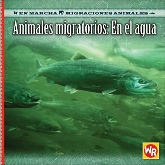 Este libro invita a los lectores al mundo de los animals que hacen viajes periódicos por agua, y explora cómo se orientan en sus viajes.
 -
 Este libro invita a los lectores al mundo de los animals que hacen viajes periódicos por aire, y explora cómo se orientan en sus viajes.
 -
 Este libro invita a los lectores al mundo de los animals que hacen viajes periódicos por tierra, y explora cómo se orientan en sus viajes.
 -
 ¡Imagínese estar en un lugar donde la temperatura puede bajar a -125 grados Fahrenheit! Así de frío puede llegar al glaciar más grande del mundo. Los estudiantes serán transportados al frío helado de la Antártida en este libro genial.
 -
 El continente más grande del mundo también tiene la mayor variedad de personas, tierra y animales de cualquier continente en la Tierra. Los estudiantes estarán encantados con las bellas imágenes mientras leen sobre este continente abundante.
 -
 Cuando Henry Ford puso un motor en un carruaje de caballos, no tenía idea de que su simple invento revolucionaría el mundo. Lea acerca de cómo una parte cotidiana de nuestras vidas comenzó con un concepto único y simple.
 -
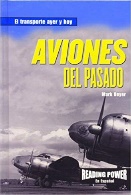 ¿Cómo se convirtió un planeador que voló en el aire por solo 20 segundos en una máquina capaz de volar 1,000 millas en una hora? Los lectores obtendrán todos los hechos en esta descripción detallada de los primeros días de la aviación.
 -
Sin stock
 Los aviones supersónicos vuelan a más de 1,000 millas por hora. Los utilizan tanto los militares como las aerolíneas comerciales. Este libro está lleno de información sobre todo tipo de aviones supersónicos.
 -
 Los humanos han usado botes por cientos de años. Vea cómo los barcos se han convertido en las poderosas embarcaciones oceánicas que usamos hoy.
 -
 Analiza los conceptos básicos del entrenamiento para el béisbol, incluido el calentamiento, las prácticas de bateo y campo y el trabajo en equipo.
 -
 Presenta la historia de la bicicleta y las muchas mejoras que se han producido a medida que se desarrolló
 -
Sin stock
 Discute el calentamiento global, su efecto sobre los casquetes polares de la Antártida y el efecto que su fusión tiene sobre el nivel del mar, a través de una historia ficticia en formato de novela gráfica sobre una expedición científica a la Antártida.
 -
 ¡El Salto Ángel de Venezuela es 16 veces más alto que el Salto Niagra! Cataratas Angel captará la atención de los lectores jóvenes con su historia única y alturas vertiginosas.
 -
 Este libro invita a los lectores al mundo de los animals que hacen viajes periódicos por tierra, aire o agua, y explora cómo se orientan en sus viajes.
 -
Sin stock
 En este libro, los estudiantes escuchan mientras los científicos, agencias gubernamentales y grupos de trabajo ambientales debaten y discuten el futuro de los combustibles fósiles. Los lectores descubrirán que los suministros de combustibles fósiles son limitados, las formas de conservar esta importante fuente de energía y cuáles son algunas de las fuentes de energía alternativas y más limpias.
 -
 ¿Puedes patinar sobre hielo y escalar rocas en medio del océano? Puedes hacerlo si estás en un crucero. Los cruceros lo tienen todo. Sus lectores navegarán por este libro mientras leen todos los hechos sobre la vida a bordo de un gran barco.
 -
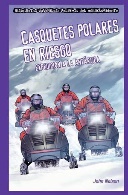 Los derrames de petróleo tienen un grave impacto en el medio ambiente, matando innumerables especies silvestres, destruyendo hábitats importantes y contaminando nuestras aguas. Los lectores siguen a un grupo de voluntarios mientras aprenden sobre lo que los derrames de petróleo le hacen a nuestro medio ambiente, qué medidas se pueden tomar para limpiar después de los derrames de petróleo y las formas de evitar que ocurran futuros derrames.
 -
 La plataforma de perforación costa afuera más grande del mundo es un barco fascinante. Los estudiantes quedarán cautivados por esta gigantesca plataforma de 835 pies de largo.
 -
 Clink, clank,.. ¡Este es el sonido de otra moneda en tu alcancía! El ahorro es una costumbre que debe comenzar desde los primeros años de vida. En ocasiones las personas ahorra durante mucho tiempo para comprar algo muy importante, y este libro nos habla de cómo se gana y como se ahorra el dinero. Además nos muestra como cualquiera puede aprender cómo ahorrar dinero por medio de cuentas de ahorro e inversiones.
 -
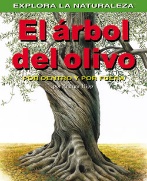 Este fascinante libro revela la rica historia de este magnífico árbol y sus frutos y su importancia perdurable. Las ilustraciones y fotografías bellamente detalladas resaltan los componentes importantes del árbol y su fruto, ya que nos lleva dentro de cada uno para revelar sus estructuras y funciones internas. Este impresionante libro presenta explicaciones visuales fascinantes de cómo se injerta el árbol, cómo se cosechan y preparan las aceitunas para su envasado, y cómo se presionan para producir aceite.
 -
 ¡Este puente japonés tiene más de 2 millas de largo! Los lectores desafiados estarán intrigados por este y otros datos divertidos sobre este increíble puente.
 -
 Con 33 millas de largo, el túnel del ferrocarril Seikan es el túnel más largo del mundo. Desde su inicio hasta su finalización, la historia de este túnel japonés fascinará incluso a los lectores más reacios.
 -
 El fútbol se está convirtiendo rápidamente en el deporte favorito de niños y niñas en todas partes. Los niños aprenderán sobre estiramientos, patadas, bloqueos y otros aspectos del fútbol en este atractivo libro.
 -
 Todos los días la gente gasta dinero en los productos que quiere o necesita. El dinero que se gasta puede viajar alrededor del mundo y al banco de la esquina. Los cheques y las tarjetas de crédito son otra forma de gastar dinero, y este libro le da un vistazo a las diferentes formas que existen para gastar el dinero. Además, te enseña cómo hacer un presupuesto, una habilidad importante para que puedas estar seguro de tener dinero cuando lo necesites.
 -
 Groenlandia tiene más de 840,000 millas cuadradas. La isla más grande del mundo también tiene muchas otras cualidades extraordinarias que hacen que aprender sobre esta isla sea divertido y emocionante. La forma de vida única en Groenlandia, así como la variedad de animales en la isla fascinarán a los jóvenes lectores.
 -
 Hábitat para la Humanidad ha construido más de 100,000 casas en todo el mundo. Voluntarios de todas las edades ayudan a Hábitat para la Humanidad. Los lectores jóvenes se sentirán inspirados por el trabajo que hace Hábitat. ¡Incluso pueden ofrecerse como voluntarios para ayudar!
 -
 ¡El hockey sobre hielo es un juego rápido y altamente calificado para jugar! En este libro, los jóvenes lectores conocerán el equipo, las posiciones y las técnicas de práctica asociadas con este emocionante juego.
 -
 ¿Sabías que el primer aro de baloncesto fue hecho de una canasta de durazno? Este libro comienza con los humildes comienzos del baloncesto y viaja a través de su historia hasta cómo se juega el juego hoy.
 -
 ¿Te imaginas una época en la que no existía el dinero? La gente hacia trueques o intercambios para obtener lo que necesita. Con el tiempo, el dinero facilito mucho las cosas Hoy, el dinero se usa en todo el mundo. Este libro revisa la historia del dinero desde los días del trueque hasta los distintos tipos de divisa que existen en la actualidad.
 -
 El fútbol es uno de los deportes más populares del mundo. Millones de niños y niñas están fascinados por este deporte. Los jóvenes lectores aprenderán todo sobre la historia del famoso deporte y cómo se ha desarrollado a lo largo de los años.
 -
 ¡Los primeros patinadores vivieron hace más de 10,000 años! Desde entonces, el patinaje artístico se ha convertido en un deporte muy emocionante y hermoso. Los estudiantes aprenderán todo sobre la historia del deporte en este interesante libro.
 -
 Muchos niños han oído hablar de represas, pero no muchos saben lo que son. Este libro atrae a lectores jóvenes ya que revela los muchos aspectos fascinantes de la presa más grande del mundo, que fue construida en la frontera de Paraguay y Brasil.
 -
 Las monedas hacen ruido en nuestros bolsillos y las usamos para comprar cosas que necesitamos. Pero si prestamos atención encontramos interesantes imágenes y palabras que nos hablan de la historia de nuestro país. Este libro nos habla de esta divisa, incluyendo las monedas que podemos coleccionar y como se fabrican el La Casa de la Moneda.
 -
 ¿Sabías que Malasia tiene los edificios más altos del mundo? Los estudiantes serán introducidos a estas inmensas estructuras con fotografías vívidas y texto atractivo.
 -
 ¿Sabías que el papel moneda no está hecho de papel? ¿O que Estados Unidos imprime suficiente dinero como para darle 30 vueltas a la tierra? Estos interesantes hechos y más puedes encontrar en este libro, además de sencillas explicaciones de las imágenes, símbolos y números que aparecen en nuestro papel moneda.
 -
 Se usaron más de 500,000 bolsas de cemento para construir este increíble estadio brasileño. ¡El estadio Maracaná es tan grande que puede albergar a 200,000 fanáticos que gritan! Esta proeza de ingeniería involucrará a los lectores jóvenes de principio a fin.
 -
 SIN DESCRIPCIÓN
 -
 ¿Qué pasaría si algún día necesitáramos abandonar la Tierra y encontrar otro lugar para vivir? Este libro analiza las opciones, cómo podríamos llegar a ese punto y cómo todos podemos ayudar a asegurarnos de que la Tierra siga siendo nuestro hogar.
 -
 El Mauna Loa de Hawai es el volcán activo más grande del mundo. La furia y la belleza de este volcán fascinarán a los lectores reacios. ¡Los estudiantes explotarán sobre este libro!
 -
 Médicos sin Fronteras brinda atención médica a los necesitados. Esta notable organización incluso ha ganado un Premio Nobel de la Paz por sus servicios. Los estudiantes se inspirarán mientras leen sobre las buenas obras de esta organización.
 -
 ¿Cómo llegaron las bicicletas con motores a velocidades récord en solo 100 años? Los lectores reacios se sorprenderán de cómo las motocicletas se han convertido en modos de transporte tan emocionantes.
 -
 ¿Sabías que hasta 5,000 personas trabajan en un portaaviones? Los lectores reacios quedarán fascinados con estas increíbles ciudades flotantes.
 -
 Desde una alcancia hasta una cuena de ahorro, hay muchas maneras de ahorrar dinero. ¿Qué es un banco? Explica como funciona un banco con temas como: Cómo abrir una cuenta de ahorro, cómo gana intereses una cuenta de ahorro y cómo presta dinero un banco. los lectores también aprenderán cómo usar su propia libreta bancaria, y visitarán una boveda de seguridad de un banco para ver donde guardan las personas su dinero y sus valores
 -
 ¡Luces, CAMARA, ACCION! Los lectores aprenderán cómo los directores, escritores, animadores, cinematógrafos y actores trabajan juntos para hacer una película.
 -
 Los lectores jóvenes tendrán una visión en profundidad de la vida de un jugador de béisbol profesional y del arduo trabajo que se necesita para convertir el trabajo soñado en realidad.
 -
 A los niños les encanta cocinar, y el surgimiento de chefs famosos los ha hecho aún más interesados en las artes culinarias. Este divertido libro explica cómo se hacen los maestros de cocina y ofrece consejos para jóvenes cocineros.
 -
 A los niños les encanta cocinar, y el surgimiento de chefs famosos los ha hecho aún más interesados en las artes culinarias. Este divertido libro explica cómo se hacen los maestros de cocina y ofrece consejos para jóvenes cocineros.
 -
 El fascinante y glamoroso mundo de la moda intriga a niños y adultos por igual. Los lectores jóvenes aprenderán cómo sus diseñadores favoritos confiaron en el trabajo duro y el talento para convertirse en las superestrellas que son hoy.
 -
 Los lectores jóvenes tendrán una visión profunda de la vida de un piloto de carreras y del arduo trabajo que se necesita para convertir el trabajo soñado en realidad.
 -
 ¡Los musicales son divertidos y emocionantes! Los lectores jóvenes aprenderán cómo se une un musical y cómo es actuar en el escenario.
 -
 Explica qué hace que un edificio alto sea un rascacielos, discute el diseño, construcción y estructura de los rascacielos, y describe rascacielos prominentes en Nueva York, China, Malasia y otros lugares.
 -
 ¡El desierto más grande del mundo es casi del mismo tamaño que los Estados Unidos! El estudiante se maravillará de la inmensidad de este desierto mientras aprende muchos otros hechos sobre esta maravilla natural.
 -
 Los submarinos nucleares son el arma militar perfecta. Son tan silenciosos como de alta potencia. Sus lectores reacios se sumergirán directamente en este libro lleno de hechos.
 -
 Este libro les dará a los estudiantes una comprensión de la historia del vuelo hasta la tecnología y los descubrimientos científicos que nos permiten volar aviones tan grandes como los superjumbo jets actuales. ¿Cómo se diseñan los aviones para que puedan operar de manera segura? ¿Cuál es el futuro del vuelo? ¡Todas estas preguntas y más serán respondidas a medida que los estudiantes echen un vistazo a los superjumbo jets, por dentro y por fuera!
 -
 Este libro ofrece a los estudiantes una mirada profunda sobre cómo funcionan los telescopios grandes. La maravilla y el asombro del espacio y los instrumentos científicos que usamos para estudiarlo brillan en este libro fascinante. Los diagramas e ilustraciones a todo color ayudarán a los estudiantes a visualizar cómo funciona la tecnología de los telescopios. ¡Los estudiantes aprenderán sobre la creación de espejos de 8 metros de ancho y equipos de telescopios que trabajan juntos para crear un telescopio tan poderoso como si tuviera un espejo del tamaño de la Tierra!
 -
 El tenis tiene millones de fanáticos. Niños y niñas de todo el país están recogiendo cohetes. Los lectores aprenderán cómo realizar muchos cambios diferentes y encontrarán otra información esencial en fotos claras y un texto fácilmente accesible.
 -
 Las tormentas son un tema fascinante y una excelente manera de crear interés en la ciencia. Esta serie utiliza fotos dramáticas a todo color para captar la atención de los estudiantes y el auténtico idioma español. Cada libro explica un tipo de tormenta: cómo se ve, cómo se forma, el daño que puede causar y cómo las personas pueden protegerse del peligro. Las características de la serie.
 -
 El transbordador espacial ha llevado a cientos de personas al espacio desde su primer vuelo. La convincente historia de las exploraciones del transbordador espacial pondrá a sus lectores en órbita.
 -
 ¡Estos trenes de pasajeros pueden viajar más de 180 millas por hora! Estas maravillas modernas de la tecnología fascinarán a cualquier lector.
 -
 ¡Imagínese viajar a la mitad de la velocidad de un avión sin abandonar el suelo! Los estudiantes descubrirán la tecnología que hace posible tales velocidades, desde pistas especiales y precauciones de seguridad hasta trenes diseñados aerodinámicamente. ¿Cuáles son los límites de la velocidad de los trenes? ¿Qué impone esos límites? Los estudiantes también leerán sobre el futuro del viaje en tren de pasajeros, desde trenes voladores hasta trenes que usan imanes enormes para levitar pulgadas o centímetros de la vía. ¡Algunos trenes alcanzan con seguridad velocidades de más de 200 mph!
 -
 Los trenes fueron una de las primeras formas mecanizadas en que los humanos solían viajar largas distancias. Los lectores verán cómo cambiaron la forma del país al transportar humanos y suministros de costa a costa.
 -
 Aircraft carriers are truly the fortresses of the sea! Students will get an inside-out view of these incredible floating cities, from how they are constructed to how they function as important parts of a country's defense. Students also will learn about the various aircraft that are on board and the crew that keeps aircraft carriers in ship shape!
 -
 Your readers will get a close look at planes such as the Airbus A380, which is the world's largest airliner, and the Lockheed Martin F-35B, which is a short take-off and vertical landing combat aircraft. Readers learn about the engine and design that make flight possible for each aircraft.
 -
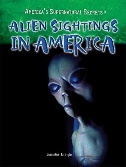 In 1878 in Denison, Texas, a man named John Martin looked up into the sky and saw something he could not explain. Americans have been hooked on the possibility of beings from space visiting Earth ever since. A sense of wonder, and reality, are brought to some popular legends of alien encounters and sightings in this volume. The final chapter explores how these legends have become even more popular thanks to movies, television, and literature.
 -
 This fascinating book explores the history and work of astronauts, the rigors of astronaut training, and what it is like to live and work in space. Brief bios on our most famous astronauts are also included.
 -
 This colorful book explores the history and function of satellites and how they have helped scientists explore outerspace. Readers will also learn that we rely on satellites for communications, mapping, and many other things.
 -
 Your curious readers will learn that going into space is no small endeavor. This book explains the history and function of space missions and how they have expanded our knowledge of the universe.
 -
 Bundle up for a fact-finding mission to the Arctic. Readers will learn about Arctic plants and animals, and how they depend on each other for survival in the coldest ecosystem on Earth.
 -
 Venezuela's Angel Falls is 16 times higher than Niagara Falls! Angel Falls will capture young readers' attention with its unique history and dizzying heights.
 -
 Because of the biological similarities between many animals and humans, scientists can learn about diseases, and find out how humans might react to medicines, cosmetics, chemicals, and other products by testing them on animals first. According to the Humane Society of the United States, more than twenty-five million animals are used in research, testing, and education each year. Readers learn about the various philosophies on animal testing, what tests are used, and how they are performed. The book presents the pros and cons of animal testing and some of the alternative methods to animal testing that scientists are developing today.
 -
 Imagine being in a place where the temperature can drop to -125 degrees Fahrenheit! That's how cold it can get on the world's biggest glacier. Students will be transported to the icy chill of Antarctica in this cool book.
 -
 Artificial Intelligence is one of the most intriguing and difficult technological advances ever explored by man. It is the study of intelligent behavior and the attempt to recreate it through technology. This beginner's guide explores, not only the technology behind AI, but the current and future benefits of further exploration.
 -
 The largest continent in the world also has the largest variety of people, land, and animals of any continent on Earth. Students will be delighted with the beautiful images as they read about this bountiful continent.
 -
 SIN DESCRIPCION
 -
 As the world's population expands, so too does the risk of communicable disease and global pandemics. Consequently, healthcare has assumed a greater centrality in the public consciousness both in the United States and around the world. With various national and international organizations dedicated to epidemiological research and disease control, societal welfare has become an increasingly significant aspect of public policy. The historical, legal, and scientific factors that form the basis of public health locally and globally are the subjects of this relevant and revealing volume.
 -
 The detailed illustrations and photographs in this fascinating book take us into the complicated, hectic world of the beehive, where we observe the rigidly structured "class system" of the honeybee, with its worker bees, drones, and queen. The complex body and internal systems of the bee are examined, as the history, honey production, construction of the honeycomb, reproduction, and colony building are discussed.
 -
Sin stock
 Luis loves to read, but soon his house in Colombia is so full of books there's barely room for the family. What to do? Then he comes up with the perfect solution: a traveling library! He buys two donkeys, Alfa and Beto, and travels with them throughout the land, bringing books and reading to the children in faraway villages. Beautiful!
 -
 Did you know that riders had to use stepstools to get onto the first bikes? Bicycles were once regarded as a nuisance to horses. Read about how they've become a significant part of our lives.
 -
 This book explains the latest scientific thought behind biodiversity and why a variety of species on our planet is essential. Further, the author explains recent efforts to preserve our world by curbing global warming.
 -
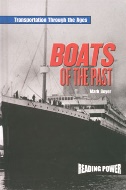 Humans have used boats for hundreds of years. See how boats have changed into the mighty ocean-going vessels we use today.
 -
 Imagine traveling at half the speed of a jet plane without ever leaving the ground! Students will discover the technology that makes such speeds possible, from special tracks and safety precautions to aerodynamically designed trains. What are the limits to the speed of trains? What imposes those limits? Students also will read about the future of passenger train travel, from flying trains to trains that use huge magnets to levitate inches or centimeters off the track. Some trains safely reach speeds of more than 200 mph!
 -
 When Henry Ford put an engine on a horse carriage, he had no idea that his simple invention would revolutionize the world. Read about how an everyday part of our lives started with a single, simple concept.
 -
 The spread of harmful chemicals and biological organisms can injure and kill thousands of people and make an infected area unlivable for some time to come. In the age of modern terrorism, many people fear militant organizations will unleash chemical and biological weapons in public places. This book provides readers with an overview of what these weapons are, who uses them and why, and explains how much of a threat they are to our way of life. Over time, countries have pledged to ban the use of CBWs in various agreements, with limited success.
 -
 Chemistry is often a daunting subject for students, fostering a bewilderment that sets in upon their first encounter with the Periodic Table. This book demystifies an important aspect of the subject--chemical reactions--and demonstrates exactly how fascinating and fun chemistry can be. Starting out by explaining just what a chemical reaction is--and what it isn't--the book details in accessible language the various kinds of chemical reactions that are possible. It draws upon readily comprehensible everyday examples, like rusting metal, baking bread, battery power, digestion, rotting eggs, and burning candles. The book then turns to a survey of the history of chemical research, beginning in the Ancient and Classical Worlds, progressing to the Medieval alchemists and Renaissance innovators, and ending with the leading lights of modern chemistry. Readers will be introduced to luminaries such as Antoine Lavoisier, John Dalton, Louis Pasteur, Dmitri Mendeleyev, the Curies, and Ernest Rutherford. It concludes with an inspiring examination of how current research and cutting edge developments are using chemistry and chemical reactions to save lives and insure continued life on Earth. This book amply illustrates the accessibility, relevance, and gee-whiz fun of chemical reactions.
 -
 Curious readers will discover how the world's climate is changing from the greenhouse effect and the ozone hole, and what we are doing to help our planet.
 -
 This is a well-organized look as coastal regions: what shapes them, some environmental threats, and their usefulness in industry and tourism. Several beautiful and interesting coastlines are highlighted, including Cancun and the Great Barrier Reef. Readers will learn about each coastline's location, population, local industries, and environmental threats.
 -
 SIN DESCRIPCION
 -
 The Internet brought about a total revolution in the world of information. Today, anyone with an Internet connection can access a wealth of information online. As our access to data increases, copyright laws struggle to keep up. This book examines how copyright law has been applied to online content, the emerging open source movement, fair use, proper citation practice, and the ethics of using and citing online information. It is an invaluable resource for today's students.


