-
 La responsabilidad de los proveedores de información en la Ley 34/2002, de Servicios de la Sociedad de la Información y de Comercio Electrónico. La responsabilidad de los proveedores de información en Internet. La información como producto. Responsabilidad patrimonial de las Administraciones públicas por difusión de contenidos propios en Internet. Responsabilidad administrativa sancionadora. Cuestiones de Derecho internacional privado.
 -
 Calculating and manipulating the unknown has been the enterprise of the field of algebra since its earliest inception in Babylon and ancient Egypt. Trigonometry draws on principles presented in algebra and uses angle measurements to elaborate on geometric calculations. Essential to further mathematical and scientific study, both algebra and trigonometry provide crucial tools in managing variables and understanding the relationships between them. This volume presents the fundamentals of these fascinating areas of mathematics while chronicling their respective histories.
 -
 Examines the history of analysis and calculus, including the geniuses of invention and theory, the practical applications of the math, and explanations of the major topics.
 -
 Examines the history, discoverers, and applications of geometry, including how and why it works.
 -
 Communication and, indeed, our comprehension of the world in general are largely ordered by the number and measurement systems that have arisen over time. Numbers lend structure to human interaction by standardizing the language we use to interpret quantities and by helping us understand natural relationships between varying concepts. This book delves into the history of mathematical reasoning and the progression of numerical thought around the world. With detailed biographies of seminal thinkers and theorists, readers develop a sophisticated understanding of some of the most fundamental arithmetical concepts as well as the individuals who established them.
 -
 Examines the history of probability and statistics, including the geniuses of invention and theory, the practical applications of the math, and explanations of the major topics.
 -
 Common to all matter and its smallest and most fundamental unit, the atom determines the properties of a substance and how it responds to other materials and stimuli. Dividing the atom further reveals several smaller particles whose activity forms the heart of nuclear physics. Readers will discover the structure of the atom as well as the ways in which its electrons, protons, and neutrons facilitate both radioactivity and nuclear reactions, both of which have been crucial to technological advancements since the 20th century.
 -
 Etrasa presenta el libro “Conducción y Seguridad Vial de Vehículos Adaptados”, escrito por Juan F. Dols Ruiz. Con un marcado carácter divulgativo, trata de acercar el conocimiento sobre el mundo de los vehículos adaptados a todo el colectivo de personas con discapacidad y a los técnicos involucrados en el proceso. Este texto es el primero que se publica en nuestro país en este ámbito.
 -

"Se desvanecerán todas de golpe como ha sucedido con los millones de imágenes que estaban tras las frentes de los abuelos muertos hace medio siglo, de los padres, muertos también ellos. Imágenes donde aparecíamos como niñas en medio de otros seres ya desaparecidos antes de que naciéramos, igual que en nuestra memoria están presentes nuestros hijos pequeños junto a nuestros padres y nuestras compañeras de colegio. Y un día estaremos en el recuerdo de nuestros hijos entre nietos y personas que aún no han nacido. Como el deseo sexual, la memoria no se detiene nunca. Empareja a muertos y vivos, a seres reales e imaginarios, el sueño y la historia." A través de fotos y recuerdos dejados por los acontecimientos, las palabras y las cosas, Annie Ernaux nos hace sentir el paso de los años, desde la posguerra hasta hoy. Al mismo tiempo, inscribe la existencia en una nueva forma de autobiografía, impersonal y colectiva.
-
 ANAYA ¿Quienes son las 100 superestrellas del fútbol actual en el planeta? Aunque cada afcionado tiene su opinión, ¡puedes respaldar la tuya con las estadísticas e infografías más recientes que se recogen en 'Leyendas del fútbol 2024' y decir al mundo que estrellas merecen llamarse leyendas vivas de este deporte! Hemos elegido a más de 100 jugadores y entrenadores de las cinco ligas más importantes del mundo: la Bundesliga de Alemania, La Liga de España, la Ligue 1 de Francia, la Serie A italiana y la Premier League inglesa. * Perfiles visualmente atractivos, repletos de datos incisivos, de los principales delanteros, centrocampistas, defensas, porteros y entrenadores. * Estadísticas precisas de Opta Sports, el mayor proveedor de datos deportivos del mundo. * Incluye mapas de calor increíbles que muestran el movimiento de cada jugador en el campo.
 -
 En una descripción real de la vida de un país geográficamente privilegiado. Esta edición ofrece una vasta mirada de la Colombia precolombina hasta nuestros días. Pasa de la leyenda a la realidad cuando sumerge al lector en la historia del territorio colombiano, en sus hallazgos arqueológicos, en la “colonización maicera” que posibilitó el poblamiento de la zona andina por parte de Las culturas orfebres. Viaja por los parques naturales (como el Parque Nacional Natural Los Nevados), por la fría y aparentemente inhóspita zona de nuestras cordilleras que albergan Los páramos más hermosos del continente, las ciudades más importantes, la economía floreciente, los estilos de vida y la cultura.
 -
 SIN DESCRIPCION
 -
 PowerPoint 2016 es la última versión de la aplicación más utilizada en el mundo para las presentaciones multimedia. Integra mejoras que abarcan desde la posibilidad de lograr gráficos más impactantes o la posibilidad de escribir ecuaciones con lápices a mejoras en la resolución de conflictos, en el historial de versiones, en la resolución de vídeo y en las guías inteligentes. El Manual Imprescindible PowerPoint 2016 está especialmente destinado a todos aquellos usuarios (profesionales o no) que deseen iniciarse y aumentar sus conocimientos en mundo de las presentaciones multimedia, y también, ya que incorpora actividades al final década capítulo, a los centros de formación informática y ofimática, como material de referencia y aprendizaje. Es un libro que parte de lo más sencillo a lo más complejo para que el lector usuario, poco a poco, llegar a realizar presentaciones de calidad profesional.
 -

EL THRILLER PERFECTO. UN GLORIOSO ENCUENTRO ENTRE DEXTER Y EL TALENTO DE MR. RIPLEY. «Trepidante y morbosamente adictiva. Una novela rebosante de innovación y suspense». IAIN REID «Un thriller perversamente inteligente, a la vez irónico y escalofriante. Trama vertiginosa, gran elenco de personajes y un fantástico ojo para los detalles y el diálogo. Justo cuando crees que ya lo tienes todo resuelto, la historia vira hacia lugares insospechados y aún más oscuros...». AMY STUART Martin Reese tiene un pasatiempo: los crímenes. Meticulosa y obsesivamente, se entrega desde hace años a ese perturbador hobby a espaldas de su mujer y de su hija adolescente: tras obtener en el mercado negro los expedientes de los más variados asesinos en serie, los utiliza para localizar y desenterrar los cuerpos de aquellas víctimas que la policía nunca logró descubrir. Saca fotos, las guarda en su viejo portátil y solo entonces da un aviso anónimo a la comisaría sobre el hallazgo. Esta afición es para él un servicio público, una reparación de daños allí donde los investigadores fracasaron. Pero para la detective Sandra Whittal y su meteórica carrera en el cuerpo gracias a su eficacia cerrando casos, el tema es algo personal.
-
 LUCAS ZANOTTO En esta divertida y conmovedora historia, un perro se despierta sin nariz y emprende un viaje para encontrarla. A pesar del evidente reto que supone buscar sin nariz, el perro explora varios lugares. A la orilla del mar, confunde una nube blanca y esponjosa con su nariz. Bajo el agua, ve algo rojo que espera que sea su nariz, pero descubre que es un pez. Cada nuevo encuentro le llevará a una nueva confusión porque los objetos hallados nunca son su nariz. Pero en la búsqueda incesante descubrirá lo sorprendente e interesante que es este mundo
 -
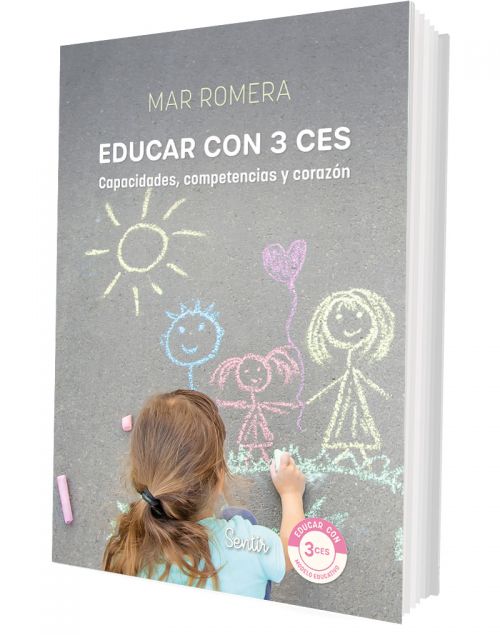
 La asamblea en el aula puede convertirse en el eje transformador de la experiencia educativa. A través de reflexiones sobre historia, política, filosofía y vida, este libro invita a repensar la escuela como un espacio que despierta el pensamiento crítico y creativo. Inspirándose en la propuesta de Célestin Freinet y en el modelo Educar con 3 ces (capacidades, competencias y corazón), las autoras ofrecen herramientas que sitúan al alumnado en el centro de su propio aprendizaje, favoreciendo la escucha activa, el diálogo y la construcción conjunta de conocimiento. Con un enfoque práctico y lleno de recursos adaptables a cualquier contexto, desde infantil a secundaria, esta obra anima a explorar metodologías que hagan de la asamblea un momento de crecimiento personal y colectivo. El objetivo es claro: formar individuos comprometidos con su realidad, capaces de cuestionarla y transformarla. Descubra cómo este libro acompaña al docente y al estudiante en una aventura pedagógica que los impulsa a descubrir, experimentar y alcanzar la plenitud, ofreciendo estrategias que atienden tanto las habilidades cognitivas como las emocionales. Mar Romera es maestra, licenciada en Pedagogía y Psicopedagogía, especialista en inteligencia emocional, cuenta con dos másteres en inteligencias múltiples e innovación. Es madre y presidenta de la Asociación Pedagógica Francesco Tonucci. Tiene más de 35 años de experiencia docente en todas las etapas del sistema educativo. Es formadora y asesora en el ámbito de la empresa: liderazgo, gestión de equipos, inteligencia y gestión emocional. También es asesora pedagógica en diferentes centros donde se implementa un proyecto de innovación de diseño propio, y es autora y coordinadora del modelo pedagógico Educar con 3 Ces: capacidades, competencias y corazón.
 -
 NARCEA En este libro se relatan las trayectorias laborales de seis profesores universitarios que ejemplifican magistralmente la metáfora del pregonero en la transición de la universidad actual. En su acción educativa, contaron, compartieron y difundieron información; la trasladaron a los pupitres de sus estudiantes y, en años recientes, a las presentaciones proyectadas desde una infalible computadora. Comenzaron narrando la historia y la ciencia cada uno desde su perspectiva personal, mientras los cambios sociales y culturales los fueron conduciendo a difundir el conocimiento por vías que, en los albores de su actividad académica, no imaginaron. ¿Qué fue lo que atesoraron? Las noticias del mundo, el saber mismo o, para expresarlo en una frase: el saber de ellos, de los pregoneros modernos que transformaron las plazas públicas y las tabernas del viejo Oeste en salones de clases universitarios. Tom Hanks, encarnando a un veterano de la Guerra de Secesión en Las noticias del gran mundo (2020), honró el arte de pregonar. A su vez, los profesores de estas historias honraron la profesión que eligieron. Estas historias singulares nos muestran cómo, incluso en tiempos de posmodernidad y globalización, de la estandarización de los modelos educativos y las metodologías de aprendizaje, persiste la microhistoria: ese espacio donde la docencia cobra su verdadero significado.
 -
Sale!
 PROMOLos faros quizá surgieron para calmar la desesperación de quienes esperaban el retorno de los barcos perdidos en la oscuridad de la noche. Al principio, no eran más que grandes hogueras encendidas sobre los acantilados y confiadas a un vigilante que había obtenido un cierto prestigio en este ritual, pero cuando las ciudades crecieron junto a las costas y se construyeron los primeros puertos, los faros se convirtieron en inmensas torres, como, por ejemplo, la que guiaba los barcos que llegaban a Alejandría, en la isla de Pharos, o la conocida como el Coloso de Rodas, bajo cuyas piernas los barcos entraban en el puerto. En el siglo xix ?el siglo de los faros? fueron construidos la mayoría de los que hay en el mundo que, paulatinamente, pasaron a tener mayor alcance y brillo, gracias a los descubrimientos del físico francés Augustin Fresnel que creó un sistema de lentes que concentraban toda la luz en el centro, al margen del combustible que utilizaran: aceite, gas acetileno o modernas lámparas halógenas. Este libro está dedicado a los faros más atractivos del mundo, los faros de nuestros sueños, con sus características, su historia y sus leyendas, pero también a aquellos faros pequeños y aislados que se levantan en medio del océano o sobre abruptos acantilados accesibles sólo en barco, y habitados por viejos marineros retirados que reciben su correo una vez a la semana.
 -
Sale!
 PROMODirigida tanto a apicultores aficionados como a profesionales, es una obra eminentemente práctica, apoyada por los últimos descubrimientos científicos. Ofrece los métodos de cría de abejas y las técnicas de explotación de los productos del enjambre más simples, más rápidos y menos costosos, que proporcionan muy buenos resultados y son aplicables en numerosas zonas climáticas. Las fotografías que acompañan al texto facilitan su comprensión y proporcionan a los lectores una visión natural de las materias explicadas. Este libro también puede servir de iniciación a la apicultura para muchas personas deseosas de restablecer con la naturaleza unas relaciones que nuestra época industrial ha contribuido a romper demasiado pronto.
 -
Sale!
 PROMOEl dominio de las características y posibilidades de las materias primas que se utilizan en las preparaciones es vital para los profesionales del sector de la panadería, la pastelería y la repostería, que incluye también a los confiteros, heladeros, chocolateros, turroneros, etc. En este libro, se proporcionan las bases científicas y tecnológicas para obtener el máximo rendimiento de dichas materias primas en los procesos de elaboración de panaderías, pastelerías y sectores afines. Principalmente destinado a los alumnos de Panadería, Repostería y Confitería, es de gran interés también para estudiantes de otros ciclos de las familias de Industrias Alimentarias y Hostelería y Turismo. En él, se tratan de forma pormenorizada las materias primas necesarias en la profesión y los procesos de elaboración en los que intervienen, lo que proporciona los conocimientos indispensables con los que se ob-tendrán unas preparaciones inmejorables que deleitarán a sus consumidores y conducirán al éxito comercial de su productor.
 -
 Goethe afirmaba que sólo se conoce aquello sobre lo que se ha escrito. En cierto sentido, la principal finalidad de este trabajo era conocer a un gran clásico, y parecía que la forma más apropiada de hacerlo era haciendo buena la máxima de su compatriota. El trabajo que se presenta está dividido en dos partes. La primera, que versa sobre aspectos biográficos, se divide, a su vez, en tres bloques: los primeros años de vida universitaria de Savigny en las ciudades de Marburg y Landshut (los años de juventud hasta 1810), sus años de docencia en Berlín (1810-1842) y, por último, su ocupación como ministro de Legislación y los años de su atardecer vital (1842-1862). La segunda parte comienza con una somera descripción crítica de la más reconocida literatura secundaria. Ésta es una buena base desde la que reconstruir la idea de sistema, eje central este libro. Para ello comienza analizando los conceptos de relación e instituto jurídico que, a juicio de Savigny, son los que estructuran el sistema.
 -
 El presente libro se ha realizado con la intención de ofrecer un análisis lo más exhaustivo e independiente posible, sobre la nueva problemática surgida en la actual “sociedad de la información”, y en especial en el uso de Internet, en relación a los delitos contra la Propiedad Intelectual. De este modo se exponen y analizan cada una de las corrientes y doctrinas existentes, a fin de ofrecer todo el espectro de posibilidades que se plantean en el ámbito de los delitos contra la Propiedad Intelectual, intentando determinar la mejor resolución para cada uno de los problemas que surgen en el tema tratado. Además, uno de los principales propósitos de este libro ha sido el de analizar si el Derecho Penal español, en su regulación de los delitos relativos a la Propiedad Intelectual, cumple eficazmente su voluntad de proteger los intereses patrimoniales de los autores, los editores o los productores, frente a los nuevos comportamientos ilícitos y dañosos de los derechos de Propiedad Intelectual surgidos a la luz de la “sociedad de la información”, lo cual se ha debido en gran medida a la nueva revolución que ha supuesto Internet, al multiplicarse las posibles formas de infracción de los derechos de Propiedad Intelectual.
 -
 En este destacable libro, editado por Helmut Kury y Alfonso Serrano Maíllo, podemos observar un buen conjunto de ejemplos de ideas intelectuales que han llegado muy lejos y a una gran audiencia. Los autores proceden de un abanico de países tanto europeos como sudamericanos: Alemania, Argentina, Colombia y España. Las ideas que discuten son incluso más variadas: victimación, delitos sexuales, punitividad, policía e inseguridad. Lo que la diversidad cultural europea (junto con la incluso más amplia diversidad cultural que uno encuentra cuando comienza a pensar en términos globales) hace es permitirnos algo semejante a un laboratorio natural para estudiar formas sociales y económicas y cómo éstas moldean y transforman (a lo largo de las tradiciones a las que acabo de referirme) cambios más amplios (quizá globales) tales como, por ejemplo, el aparente aumento en la punitividad en muchas naciones desarrolladas. A este respecto, los países y sus diferentes tradiciones representan una forma de estructuras sociales de nivel macro, económicas, políticas y culturales. Sin embargo, como científicos sociales, en ocasiones hemos tardado demasiado en reconocerlo (aunque no debemos olvidar las perspicaces observaciones de Durkheim o Weber). Sólo recientemente hemos desarrollado herramientas de suficiente calidad (tales como la Encuesta Social Europea, por ejemplo) que nos permitan explorar exhaustivamente la diversidad europea en materia de opinión y experiencia utilizando una metodología común.
 -
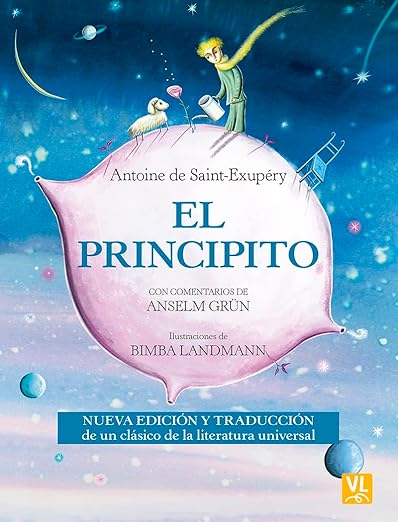 ANTOINE DE SAINT-EXUPÉRY
 -

Narrado en forma de diario íntimo, Ernaux nos cuenta en Perderse la relación sentimental que mantuvo en secreto durante varios años con un diplomático ruso. Nunca supe nada de sus actividades que, oficialmente, eran de orden cultural.
-
 El trabajo que tiene el lector entre sus manos echó a andar merced a la concesión en 2005 de una ayuda del Centro de Estudios Andaluces. Vaya nuestro agradecimiento, pues, a la institución que inicialmente nos financió y que nos ha facilitado la Encuesta Social Andaluza en que también se apoya el análisis empírico. Pero vaya, de forma significada y cariñosa, a Ángel Rodríguez. Confió en nosotros para aquel proyecto de acrónimo imposible PPERA: Participación Política de los Extranjeros Residentes en Andalucía. Propuestas de reformas constitucionales y estatutarias. Mayte Echezarreta merece igualmente nuestra gratitud por el tesón y el acierto con que dirige el grupo de investigación EURIE, del que los dos autores formamos parte, y sin el que difícilmente nos hubiéramos planteado esta empresa. El resultado que aquí se presenta se ha beneficiado de diferentes reuniones científicas en las que hemos participado a lo largo de tres años, y de las aportaciones que en ellas han realizado colegas de diferentes disciplinas académicas. Tal es el caso de los dos seminarios organizados por el propio Centro de Estudios Andaluces; del Congreso Internacional Migrations and social policies in Europe, celebrado en la Universidad Pública de Navarra; del Seminario Permanente Interdisciplinar de Estudios sobre Inmigración, de la Universidad de Málaga; de las Jornadas sobre Gerontoinmigración en la Costa del Sol: El caso finlandés, organizadas en la Facultad de Derecho de la Universidad de Málaga por EURIE, y del Workshop internacional Inmigración, Derechos Humanos y Cooperación Judicial Penal Internacional. ¿Hacia qué modelo social?, organizado, también en la Facultad de Derecho, por INCODEHUM a principios de 2008.
 -
 Este libro está editado por Editorial Comares S.l.. En 3000 dicha editorial comenzó su primera singladura y tiene su sede en Andalucía. Tiene más de tres mil doscientos libros publicados. Económicas, Antropología, Ciencia, Psicología, Humanidades entre otras son las especialidades de Editorial Comares S.l.. Comentarios A La Legislación Social, Colección Estudios Ingleses, La Veleta, Biblioteca Comares De Ciencia Jurídica, Derecho De La Sociedad De La Información... son algunos ejemplos de colecciones de dicha editorial. Los libros que conforman el catálogo de Editorial Comares S.l. vienen de la mano de autores tan conocidos como Paloma Aguilar Ros, Ramón Herrera Bravo, Carlos Romeo Casabona, Fernando Valverde, José Luís Manzanares Samaniego entre otros
 -
 La salida al mercado de Photoshop CS5 es una nueva celebración para los amantes del diseño digital. La nueva versión presenta nuevas funciones y herramientas para realizar cualquier tipo de retoque, restauración y montaje con las imágenes. Este manual está pensado para todas aquellas personas que nunca han trabajado con Photoshop o, si lo han hecho, no conocen completamente sus posibilidades. Profundiza en todos los conceptos relativos a la naturaleza de las imágenes digitales y de su manipulación, así como en las herramientas más importantes del programa. Destacamos el manejo de capas y los filtros, así como todo lo relacionado con el color y la corrección de defectos y en la mejora de nuestras imágenes. Utilice este libro como una guía de aprendizaje de la mejor herramienta para retoque fotográfico y diseño artístico que existe actualmente en el mercado.
 -
 LEWIS CARROLL ¿Quién no conoce la historia de las aventuras de Alicia en el País de las Maravillas? Esa niña que cae en un pozo persiguiendo a un conejo blanco… Bellas ilustraciones que harán de este libro algo inolvidable.